WELCOME TO KAMPALA’S CBD
The central division or central business district is where the capital city of Kampala is located. The CBD is made up of;
- Kampala Central Business District
- Kamwokya
- Kololo
- Nakasero
- Nakivubo
- Old Kampala
This beautiful city is the largest city in Uganda and is ranked No 1 by mercer in East Africa. This wonder of the world is blessed with; Diverse Culture, Rolling Hills, Languages, Food, Dance, the houses of Parliament, Diplomatic Offices, Bodas, Rolex and endless distractions!
THE HISTORY OF KAMPALA
Mutesa I, the Kabaka (King) of Buganda (1856 – 1884), had chosen the area that was to become Kampala as one of his favorite hunting grounds. The area was made up of hills and wetlands. It was an ideal breeding ground for various wild animals, particularly Antelope and the Impala, in whose name the city was named Kampala (an area known for Impalas at the time).
The city grew as the capital of the Buganda kingdom, into the capital city of Uganda. Traditionally, Kampala is a city of seven hills, and these include;
- Kasubi Hill, this is home to Kasubi Tombs. A64 acre site where kings from the 1,000 year old Buganda Kingdom are buried. It a UNESCO world heritage site.
- Mengo Hill where the present Lubiri (Kabaka’s Palace) and the Lukiiko, Buganda Parliament (Bulange) are located.
- Kibuli Hill home to the Kibuli Mosque. Islam was brought to Uganda in 1844.
- The land on which the mosque stands was donated by Prince Kakungulu in 1940, the son of Prince Nuhu Mbogo a Buganda royal.
- Namirembe Hill, which hosts the oldest Cathedral in Uganda. The Anglican Church was founded in 1890 and St. Paul’s Cathedral was constructed in 1915. The first largest congregation of over 10,000 was in 1904 and included Kabaka Daudi Chwa II
- LubagaHill,thisishometotheCatholicChurchwhichwasfoundedin1889. It was donated to the French Fathers by Kabaka Mwanga II of Buganda. St. Mary’s Cathedral, Rubaga was constructed in 1925. Rugaba Hospital and Girls School are also located next to the Cathedral.
- Nsambya Hill, it was established as the home of the Mill Hill Mission founded in 1895. These catholic missionaries when on to set up Nsambya Hospital and several schools in Nsambya.
Kampala Hill, also referred to as Old Kampala, the hill of the Impala is where Frederick Lugard built his fort called Fort Lugard. This hill is also home to the largest mosque in Uganda.
These traditional hills of Kampala offer the best tourism sites in the city. The city has expanded to include various other hills such as;
- Kololo
- Naguru
- Makindye
- Mulago
- Muyenga and
- Makerere
RESIDENTIAL & COMMERCIAL REAL ESTATE
The most expensive real estate in Uganda is located in
- Kololo
- Nakasero
- Central Business District
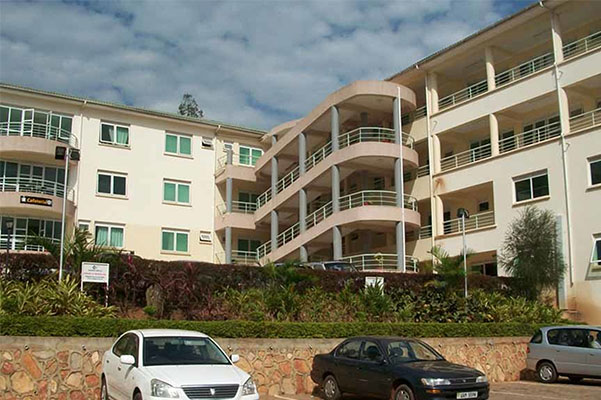
These areas are the safest in the city and have great amenities such as; office space, hospitals, schools (both local and international), hotels, restaurants, shopping malls, cinemas, health facilities, paved roads, lash green trees and Kampala’s only 18-hole golf course. Although the city is rapidly expanding and spreading out into the other divisions, these neighborhoods’ are where all; Diplomats, Embassies, Expatriates, Prominent business people and key politicians including the President of the Republic of Uganda live, work, host and dine. visit www.micasahub market information and the agents database.
HOTELS & RESTAURANTS
RESTAURANTS
A great variety of restaurants can be found in this trendy county. The restaurants include; Japanese, French, African, Italian, Mediterranean, Chinese, Ethiopian and Indian.
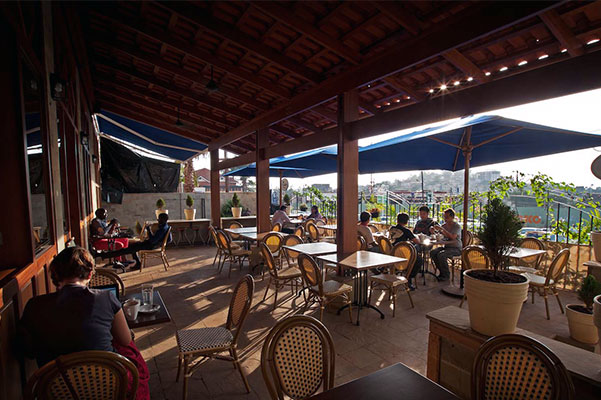
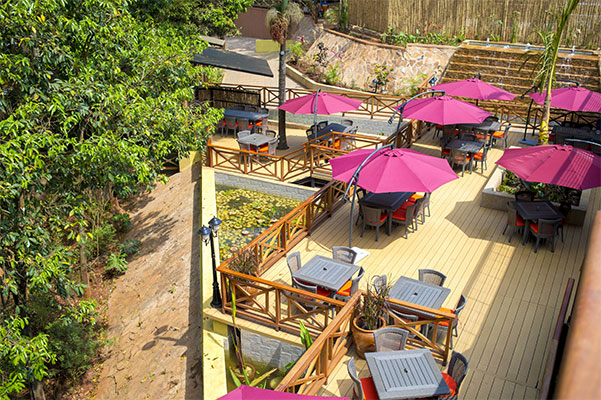
|
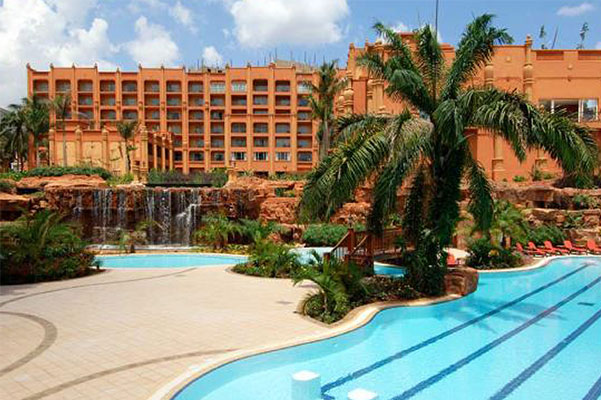
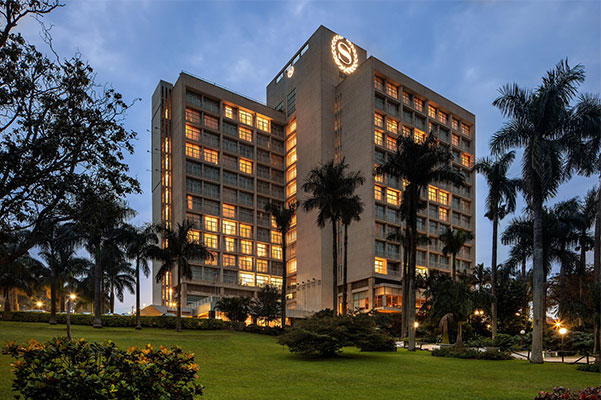
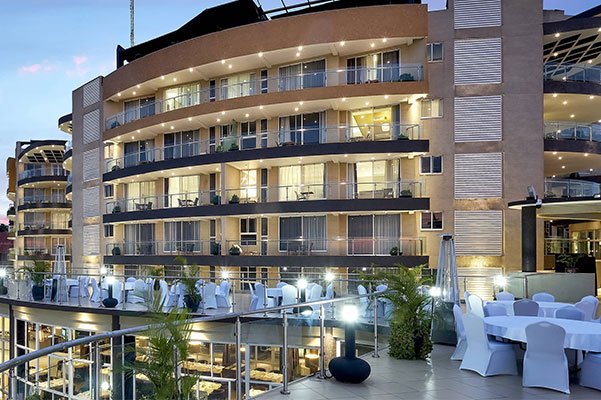
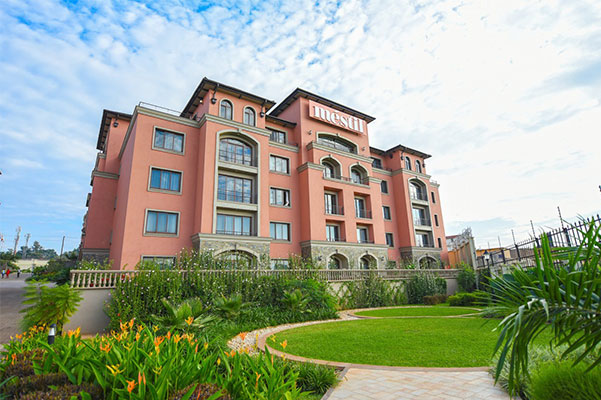
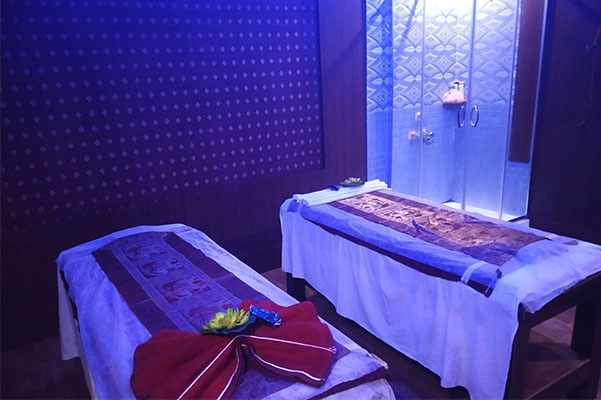
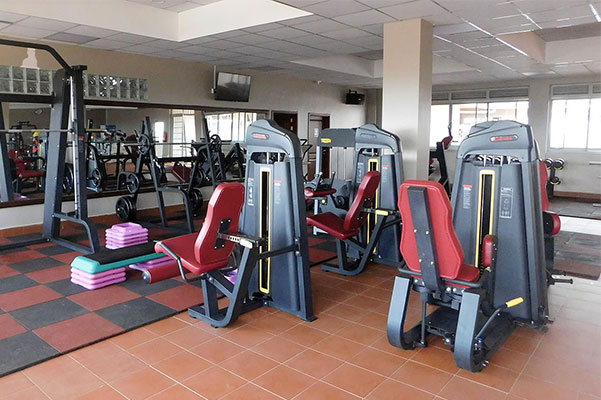

MALLS
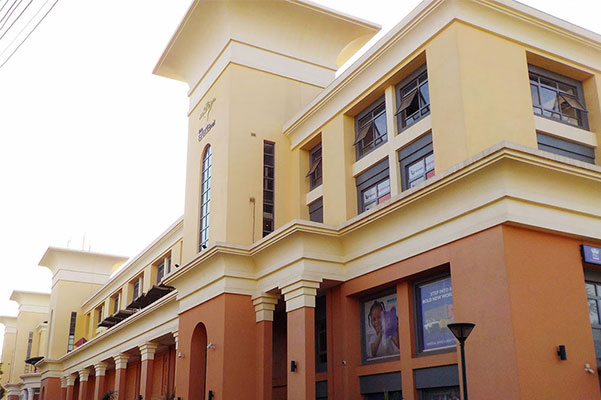
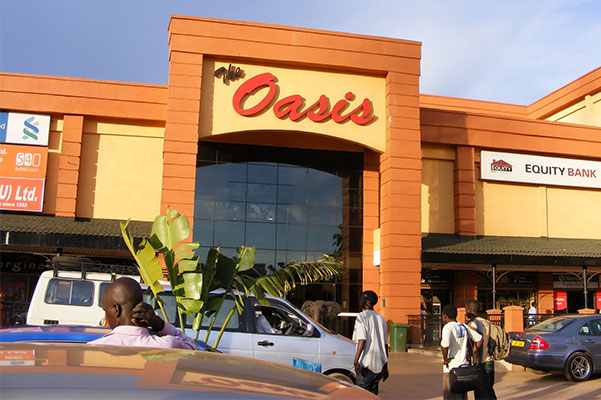
- Acacia Mall, Kololp
- Garden City Mall, Kampala
- Forest Mall, Kololo / Lugogo
- Kingdom Kampala
- Kampala Boulevard